Business management is changing fast, and people management is changing even faster. Companies will be unable to manage staff only using spreadsheets, manual files, email approvals, and disconnected tools by 2026. As teams develop, HR responsibilities get more complex, and minor errors can lead to larger difficulties in payroll, attendance, compliance, performance, and employee satisfaction.
This is why every growing organization requires a centralized Human Resource Management System.
A consolidated HR platform combines all personnel information and processes into a single, secure location. It assists HR professionals in reducing repetitive work, giving employees better access to services, and providing accurate workforce statistics to company leaders. More crucially, it transforms human resources from a department focused on paperwork to a strategic function that promotes growth, productivity, and long-term success.
What Is a Centralized HR Management System?
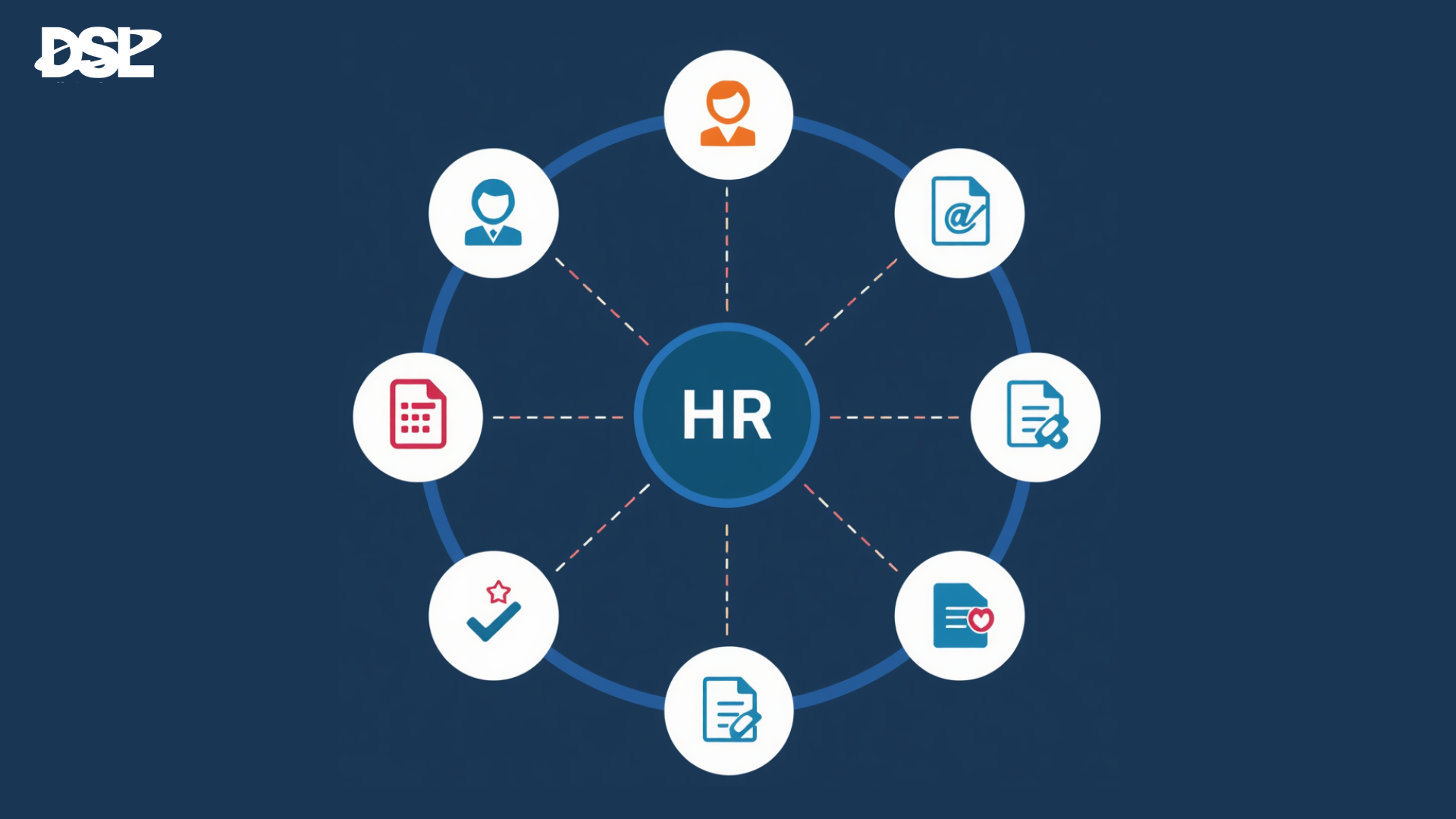
A centralized HR Management System is a digital solution that manages core HR activities from a single platform. Instead of storing employee information in different files, folders, emails, and spreadsheets, businesses can manage everything through one connected system.
It usually includes features such as:
Employee database
Attendance tracking
Leave management
Payroll processing
Recruitment management
Onboarding
Performance appraisal
Employee document management
HR reports and analytics
Employee self-service portal
Role-based access control
The main purpose of the system is simple: to make HR operations organized, accurate, transparent, and easier to manage.
Why Manual HR Management Is No Longer Enough

Many businesses start with manual HR processes because they seem simple and low-cost. But as the company grows, these manual methods become difficult to control.
For example, employee records may be stored in different spreadsheets. Leave approvals may be handled through email or phone calls. Payroll may depend on manually calculated attendance. Performance reviews may be delayed because there is no proper tracking system.
This creates several business risks:
Data duplication
Payroll mistakes
Delayed approvals
Lost employee documents
Poor employee experience
Lack of reporting
Compliance issues
More pressure on the HR team
In 2026, speed and accuracy matter. Businesses need a system that can handle HR operations smoothly without depending on scattered data and manual follow-ups.
Key Reasons Your Business Needs a Centralized HR Management System in 2026
1. It Keeps All Employee Data in One Place
Employee information is one of the most important resources of a company. A centralized HR system stores personal details, job information, salary structure, attendance history, leave records, documents, contracts, and performance data in one platform.
This helps HR teams find information quickly and reduces the chance of losing important records. It also improves data accuracy because all departments work from the same updated information.
When employee data is centralized, decision-making becomes faster and more reliable.
2. It Reduces HR Workload Through Automation
HR teams often spend many hours on repetitive tasks such as updating employee records, checking leave balances, preparing attendance reports, calculating payroll, and answering common employee questions.
An HR Management System automates many of these daily tasks. Employees can apply for leave online, managers can approve requests digitally, and HR can generate reports without preparing everything manually.
This saves time and allows the HR team to focus on more valuable work such as employee engagement, talent development, policy improvement, and workforce planning.
3. It Improves Payroll Accuracy
Payroll is one of the most sensitive areas of HR. Even a small mistake in salary calculation can create employee dissatisfaction and reduce trust in the organization.
A centralized HR platform connects payroll with attendance, leave, overtime, deductions, allowances, and benefits. This makes salary processing more accurate and consistent.
With payroll automation, businesses can reduce calculation errors, maintain proper salary records, and ensure employees are paid correctly and on time.
4. It Makes Attendance and Leave Management Easier
Attendance and leave tracking are common challenges for many organizations. Manual attendance sheets, biometric data exports, and email-based leave approvals can easily become confusing.
An HR system simplifies the entire process. Employees can check their leave balance, submit leave requests, and view attendance records. Managers can approve or reject requests from the system. HR teams can monitor late attendance, absences, overtime, and monthly attendance summaries.
This creates transparency for employees and better control for management.
5. It Supports Better Employee Experience
Employees today expect fast, simple, and transparent workplace services. They do not want to wait several days to receive a payslip, check leave balance, update personal information, or submit a document.
With an employee self-service portal, staff members can manage many HR-related tasks by themselves. They can access payslips, apply for leave, update information, view company policies, and submit requests without depending on HR for every small task.
This improves employee satisfaction and reduces unnecessary communication delays.
6. It Helps Businesses Stay Compliant
Every organization must maintain proper employee records, payroll data, contracts, tax information, attendance history, and policy documents. If these records are not managed properly, the company may face compliance problems during audits or legal reviews.
A centralized HR Management System keeps important documents and records organized in a secure digital platform. It also helps HR teams follow company policies consistently.
This reduces risk and makes audit preparation easier.
7. It Gives Management Better HR Reports
Business leaders need accurate data to make smart decisions. Without a centralized system, HR reports often take too much time to prepare and may not be fully accurate.
A modern HR system provides useful reports on employee attendance, turnover, payroll cost, recruitment, leave trends, performance, and workforce growth.
When leaders have the right data, they can make better decisions for business growth.
8. It Improves Recruitment and Onboarding
Hiring the right people is important, but managing recruitment manually can be slow and disorganized. A centralized HR system can help manage job applications, candidate information, interview stages, selection status, and hiring documents.
After hiring, the onboarding process becomes easier. New employees can submit documents, receive joining instructions, access company policies, and complete onboarding tasks through the system.
A smooth onboarding experience helps new employees feel welcomed and become productive faster.
9. It Strengthens Performance Management
Employee performance should not be reviewed only once a year with limited information. Businesses need a structured way to set goals, track progress, collect feedback, and identify development needs.
An HR Management System helps managers monitor employee performance more consistently. It supports goal setting, appraisal records, feedback, training recommendations, and performance history.
This helps companies recognize top performers, support struggling employees, and build a culture of continuous improvement.
10. It Supports Business Growth and Scalability
As a company grows, HR operations become more complex. More employees mean more attendance records, payroll calculations, leave requests, documents, approvals, and compliance responsibilities.
A centralized HR system helps businesses scale without losing control. Whether a company has 50 employees or 5,000, the system provides a structured way to manage people, processes, and data.
This is especially important for organizations with multiple branches, remote teams, field employees, or hybrid work models.
Why 2026 Is the Right Time to Invest in HR Technology
The workplace in 2026 is more digital, data-driven, and employee-focused than ever before. Businesses are under pressure to improve efficiency, reduce costs, retain talent, and make faster decisions.
An HR platform helps companies meet these expectations by combining automation, data, and employee service in one place.
Companies that still depend on manual HR processes may struggle with delays, errors, and poor visibility. On the other hand, businesses that invest in HR technology can build a stronger foundation for growth.
Essential Features to Look for in an HR Management System
Before choosing HR software, businesses should identify their needs clearly. A good system should be easy to use, secure, scalable, and suitable for the organization’s workflow.
Important features include:
Central employee database
Attendance and Leave management
Payroll management
Recruitment tracking
Digital onboarding
Employee self-service
Performance management
Document storage
HR analytics and reporting
Mobile access
Role-based permissions
Data security
Integration options
The best HR solution is not the one with the most features. It is the one that solves real business problems and makes HR work easier.
How a Centralized HR System Helps Leadership
A centralized HR platform is not only useful for HR teams. It also helps business owners, directors, and department heads.
Leadership can get a clear view of workforce performance, employee costs, hiring needs, attendance trends, and productivity issues. This helps them plan better and respond faster.
For example, if one department has frequent resignations, management can investigate the reason. If attendance problems increase, managers can take corrective action. If payroll costs are rising, finance and HR can review workforce planning together.
This makes HR data a valuable part of business strategy.
Conclusion
A centralized HR Management System is no longer optional for growing businesses. In 2026, companies need faster processes, accurate data, better employee service, and stronger control over HR operations.
From employee records and attendance to payroll, onboarding, performance, and reporting, a centralized system helps businesses manage everything in one place. It reduces manual work, improves transparency, supports compliance, and gives management the insights needed for better decisions.
If your business wants to grow with confidence, improve workforce management, and build a more efficient workplace, investing in a centralized HR solution is a smart step forward.
Strong HR management creates stronger teams. Stronger teams create stronger businesses.
FAQs
1. What is an HR Management System?
An HR Management System is software that helps businesses manage employee information, attendance, leave, payroll, recruitment, onboarding, performance, and HR reports from one centralized platform.
2. Why does a business need a centralized HR system?
A business needs a centralized HR system to reduce manual work, improve data accuracy, manage employees more efficiently, support compliance, and make better workforce decisions.
3. How does HR software improve employee experience?
HR software improves the employee experience by providing staff with self-service options such as leave requests, payslip downloads, attendance records, document submission, and personal information updates.
4. Can small businesses use an HR Management System?
Yes. Small businesses can use an HR Management System to organize employee records, automate HR tasks, reduce errors, and prepare for future growth.
5. What are the most important features of an HR Management System?
The most important features include employee database, attendance tracking, leave management, payroll, recruitment, onboarding, performance management, employee self-service, document management, and HR reporting.