In 2026, ERP software solutions have become essential for businesses that want real-time visibility, operational efficiency, and scalable growth in an increasingly competitive digital environment.
However, many companies still use different systems—accounting software for finance, spreadsheets for inventory, and separate tools for sales, procurement, and HR. This creates data gaps, slows down decision-making, increases costs, and makes growth harder to manage.
ERP software solves these issues by merging all major company activities into a single integrated system.
Whether you are growing a startup, improving an existing operation, or managing multiple locations, ERP software helps businesses work with better visibility, control, and efficiency. This guide explains the key benefits of ERP software solutions for businesses in 2026 and how ERP can support smarter operations and long-term growth.
What is ERP Software?
ERP (Enterprise Resource Planning) software is a system that allows businesses to manage their daily activities in one place. It connects key functions such as finance, inventory, sales, procurement, HR, and operations into a single platform.
Instead of using multiple tools that don’t share data, ERP allows all departments to work with the same, real-time information. This reduces errors, saves time, and helps teams stay aligned.
Modern ERP software is flexible and scalable. Businesses can start with the modules they require and expand as they grow. ERP also offers automation, real-time reporting, compliance tracking, and improved control over company processes, making it easier to manage operations and prepare for future expansion.
Why ERP Matters in 2026
In 2026, running a business without clear, connected systems makes everyday work harder than it needs to be. Customers expect faster service, teams need instant access to accurate data, and businesses must stay compliant while managing growing operations.
Many organizations also work with remote and on-site teams, making secure and real-time access to information essential.
An ERP system helps businesses meet these needs by providing a single system that connects data, people, and processes. With ERP, organizations can respond quickly to change, manage operations more efficiently, and make decisions based on real-time insights.
ERP matters in 2026 because it enables:
Real-time visibility into business performance
More accurate forecasting and planning
Stronger process control and governance
Automation that reduces manual effort
Scalable operations without system complexity
How ERP Supports Long-Term Business Growth
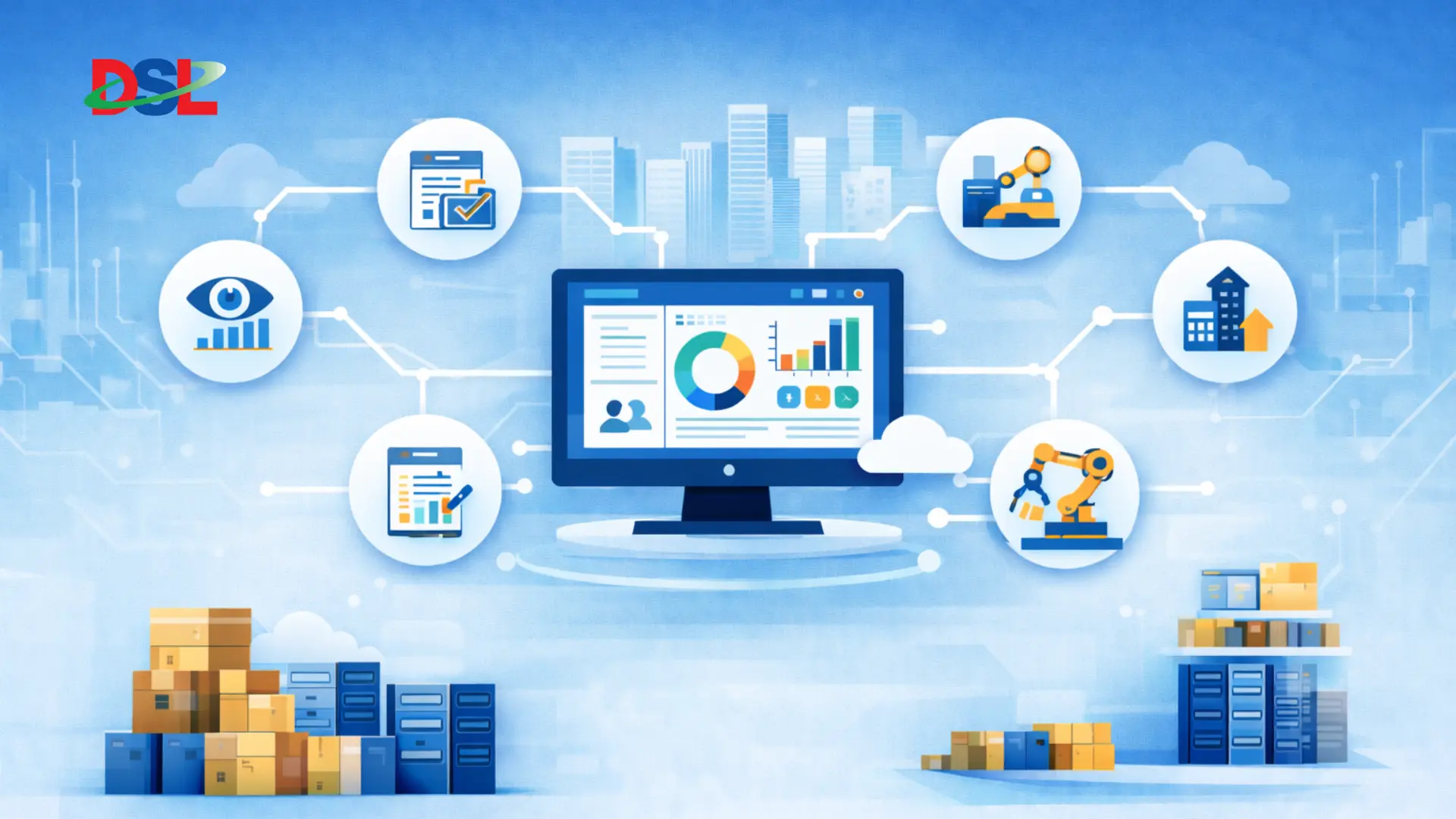
ERP software helps businesses grow without increasing operational complexity. ERP provides a solid platform for growth by centralizing data, standardizing operations, and providing real-time insights.
As teams, locations, and transaction volumes increase, ERP ensures efficiency, control, and visibility remain intact - allowing businesses to scale confidently and sustainably over the long term.
Key Benefits of ERP Software Solutions for Businesses
1. Single Source of Accurate Business Data
A centralized system brings together data from finance, sales, inventory, HR, and operations into one place. This ensures that every team works with the same real-time and reliable information, without duplication or confusion. As a result, businesses experience fewer errors, consistent reporting, and faster, more confident decision-making.
2. Real-Time Business Visibility and Reporting
When reporting relies on manual updates or month-end compilation, decisions are often delayed. Real-time dashboards provide instant visibility into sales performance, inventory levels, cash flow, production status, and overall operations. This allows leaders to identify issues early and take action based on current, accurate data.
3. Automation of Manual and Repetitive Tasks
ERP automates routine processes such as invoicing, approvals, inventory updates, payroll, and financial postings. This reduces manual effort and minimizes human errors across departments. Automation through ERP helps teams focus more on strategic work rather than administrative tasks.
ERP automates repetitive tasks like:
Purchase requests and approvals
Invoice generation and matching
Inventory updates and reorder triggers
Payroll and attendance workflows
Financial consolidations and reporting
4. Improved Financial Management and Control
ERP integrates accounting with operational processes, ensuring accurate and consistent financial data. Transactions from sales, procurement, inventory, and projects flow automatically into the financial system. This results in faster month-end closing, improved cash flow management, and better compliance control.
5. Stronger Inventory Accuracy and Supply Chain Visibility
For product-based companies, ERP provides a connected view of purchasing, warehousing, demand, and fulfillment. It helps reduce stock-outs, prevent overstocking, and improve inventory planning.
6. Better Customer Service and Experience
Customer experience often breaks when internal systems are fragmented. ERP centralizes customer order history, delivery status, inventory availability, and support information - so your team responds faster and with more accuracy.
7. Standardized Processes Across Teams and Locations
As companies grow, processes can vary by team, branch, or manager. ERP helps standardize workflows - so approvals, documentation, and reporting are consistent across the organization.
8. Reduced Operational Costs
ERP reduces cost in multiple ways:
Eliminating duplicate tools and manual work
Reducing errors and rework
Improving procurement efficiency
Optimizing inventory levels
Increasing overall throughput
9. Improved Collaboration Across Departments
When teams share the same system, collaboration becomes natural - sales can see inventory, procurement can see demand trends, finance can see operational commitments, and leadership can see performance.
10. More Accurate Forecasting and Planning
Forecasting improves when data is centralized, consistent, and timely. In 2026, reliable forecasting helps:
Demand and sales
Cash flow
Procurement and materials
Capacity and staffing
11. Scalable Operations to Support Business Growth
ERP systems are built to scale as businesses expand into new locations, markets, or product lines. Additional users and transactions can be managed without disrupting existing operations. This makes growth structured, controlled, and sustainable.
12. Improved Data Security and Access Control
Modern ERP platforms support role-based access, audit trails, and governance policies. Sensitive data stays protected while teams access what they need to do their jobs.
13. Compliance and Audit Readiness
ERP stores all transactions, approvals, and historical records in one system. Audits become easier and less time-consuming. Businesses can meet regulatory requirements without having to collect data at the last minute.
14. Mobility and Remote-Friendly Operations
Cloud ERP allows teams and leadership to monitor operations and act quickly - whether they’re in the office, traveling, or working remotely.
15. Flexible and Future-Ready Business Platform
Modern ERP systems are modular, allowing businesses to start small and expand over time. New modules can be added as business needs evolve. This ensures long-term value and supports ongoing digital transformation.
Who Benefits Most from ERP in 2026?
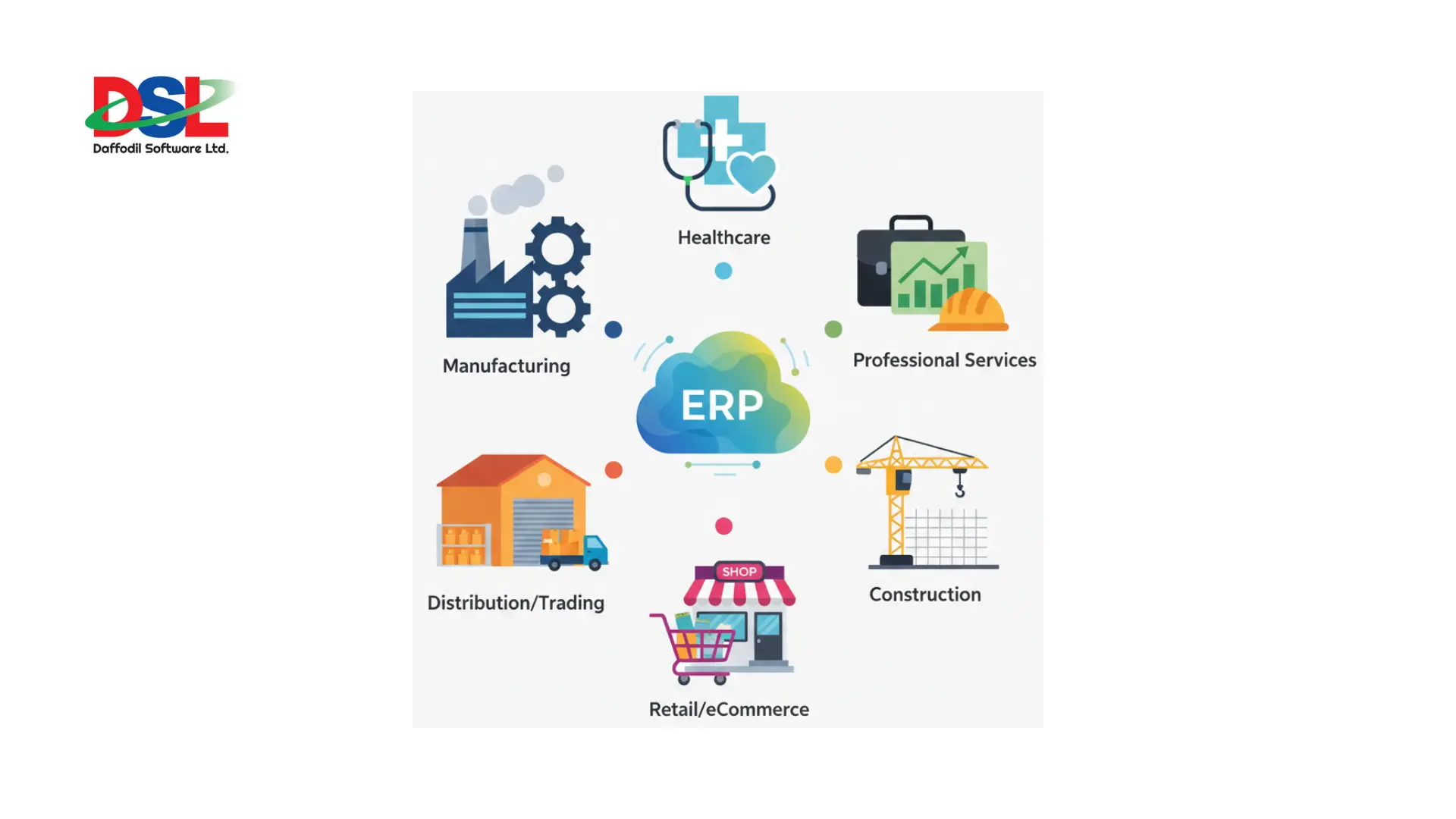 ERP delivers value in almost every industry, but it’s especially impactful for:
Manufacturing: production planning, materials, quality, cost control
Distribution & Trading: inventory accuracy, warehouse operations, procurement
Retail & eCommerce: omnichannel visibility, fulfillment, demand planning
Construction & Project-Based Companies: project costing, resource planning, billing
Professional Services: project management, utilization, profitability tracking
Healthcare & Service Businesses: standardized workflows, compliance support
If your business is experiencing frequent delays, reporting confusion, repeated data entry, or operational pain related to growth, ERP is worth evaluating.
Manufacturing: production planning, materials, quality, cost control
Distribution & Trading: inventory accuracy, warehouse operations, procurement
Retail & eCommerce: omnichannel visibility, fulfillment, demand planning
Construction & Project-Based Companies: project costing, resource planning, billing
Professional Services: project management, utilization, profitability tracking
Healthcare & Service Businesses: standardized workflows, compliance support
Cloud ERP in 2026: The Future of Enterprise Systems
- Easy deployment and faster time-to-value
- Scalable architecture supporting business growth and change
- Built-in security, compliance, and automatic system updates
- Reduced infrastructure and IT maintenance costs
- Anywhere access enabling remote and hybrid workforces
- Live data access and improved decision-making
- Easy integration with AI, analytics, and emerging technologies
Common Signs You’re Ready for an ERP System
Your business may be ready for an ERP solution if you’re experiencing challenges such as:
Reports take days or weeks to generate
Conflicting data across departments
Inaccurate or unreliable inventory information
Slow and stressful month-end closing processes
Manual approvals and paperwork are causing operational delays
Business growth is increasing in complexity instead of efficiency
Heavy reliance on spreadsheets for critical business operations
Reports take days or weeks to generate
Conflicting data across departments
Inaccurate or unreliable inventory information
Slow and stressful month-end closing processes
Manual approvals and paperwork are causing operational delays
Business growth is increasing in complexity instead of efficiency
Heavy reliance on spreadsheets for critical business operations
How Daffodil Software Ltd. Helps Businesses Succeed with ERP in 2026
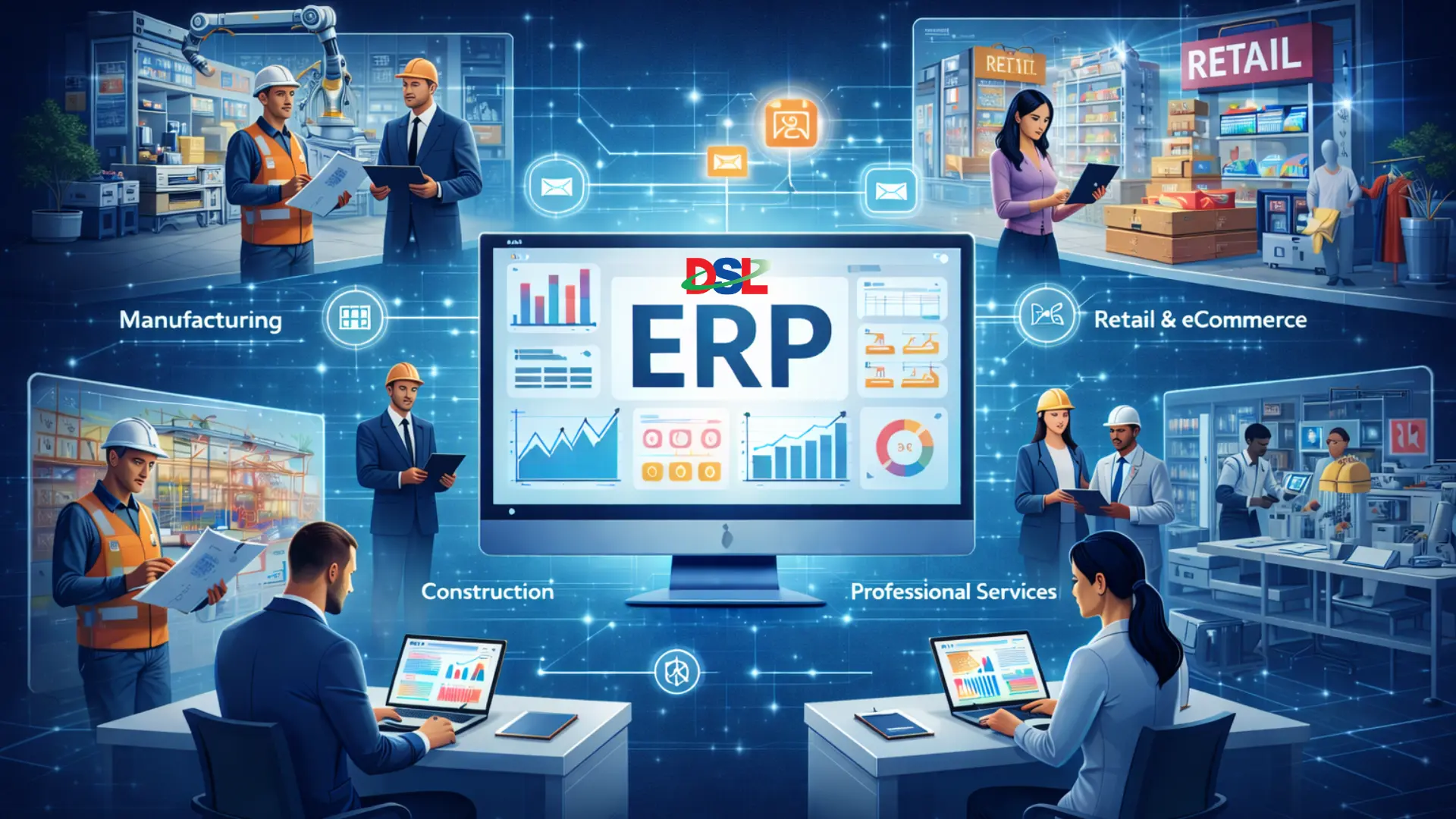 At Daffodil Software Limited (daffodilsoft.com), we support businesses at every stage of their ERP journey by offering:
ERP consulting and roadmap planning aligned with real business needs
Odoo ERP implementation and customization for scalable operations
Integration with existing systems for seamless data flow
Migration from spreadsheets or legacy systems to modern ERP platforms
Ongoing support, optimization, and upgrades to ensure long-term success
Our focus is simple: delivering a connected, future-ready ERP system that helps businesses operate efficiently and grow with confidence in 2026 and beyond.
FAQs: Benefits of ERP Software (2026)
Why do businesses choose ERP software?
ERP software brings teams and data together, helping businesses reduce errors and gain better control over operations.
Is ERP only for large companies?
No. Many modern ERP platforms are designed for small and mid-sized businesses as well, offering flexible modules, scalable features, and affordable subscription pricing.
How long does ERP implementation take?
It depends on scope, modules, data quality, and customization. Many businesses start with a phased rollout to get faster results.
What business processes does ERP manage?
ERP systems typically manage core processes such as finance, inventory, procurement, sales, production, HR, project management, reporting, and analytics.
Will ERP reduce costs?
Yes. ERP reduces costs through process automation, fewer manual errors, improved inventory planning, streamlined procurement, and faster financial operations.
Conclusion
In 2026, ERP software is no longer just an operational tool - it is a strategic growth enabler. By unifying business data, automating core processes, and providing real-time insights, ERP helps organizations operate efficiently, adapt quickly, and scale with confidence. For businesses focused on sustainable growth and long-term success, ERP is a smart and future-ready investment.